
Track descriptions
Social Media and Digital Platforms
This track explores the evolving role of social media and digital platforms in shaping information access, user behavior, and public discourse. Social media use is shifting from traditional networking and information sharing toward immersive and personalized experiences.
This transformation presents new challenges for understanding user interaction, content moderation, and information dissemination.
At the same time, the rise of AI-generated content has intensified the spread of misinformation, making it increasingly difficult for users to assess credibility and trustworthiness.
We invite research on algorithmic personalization and its impact, platform governance practices, and the spread and mitigation of misinformation. Contributions may address technical, behavioral, or ethical aspects of these challenges, using diverse methodological approaches.
Track Chair: Dr. Zoe Huang
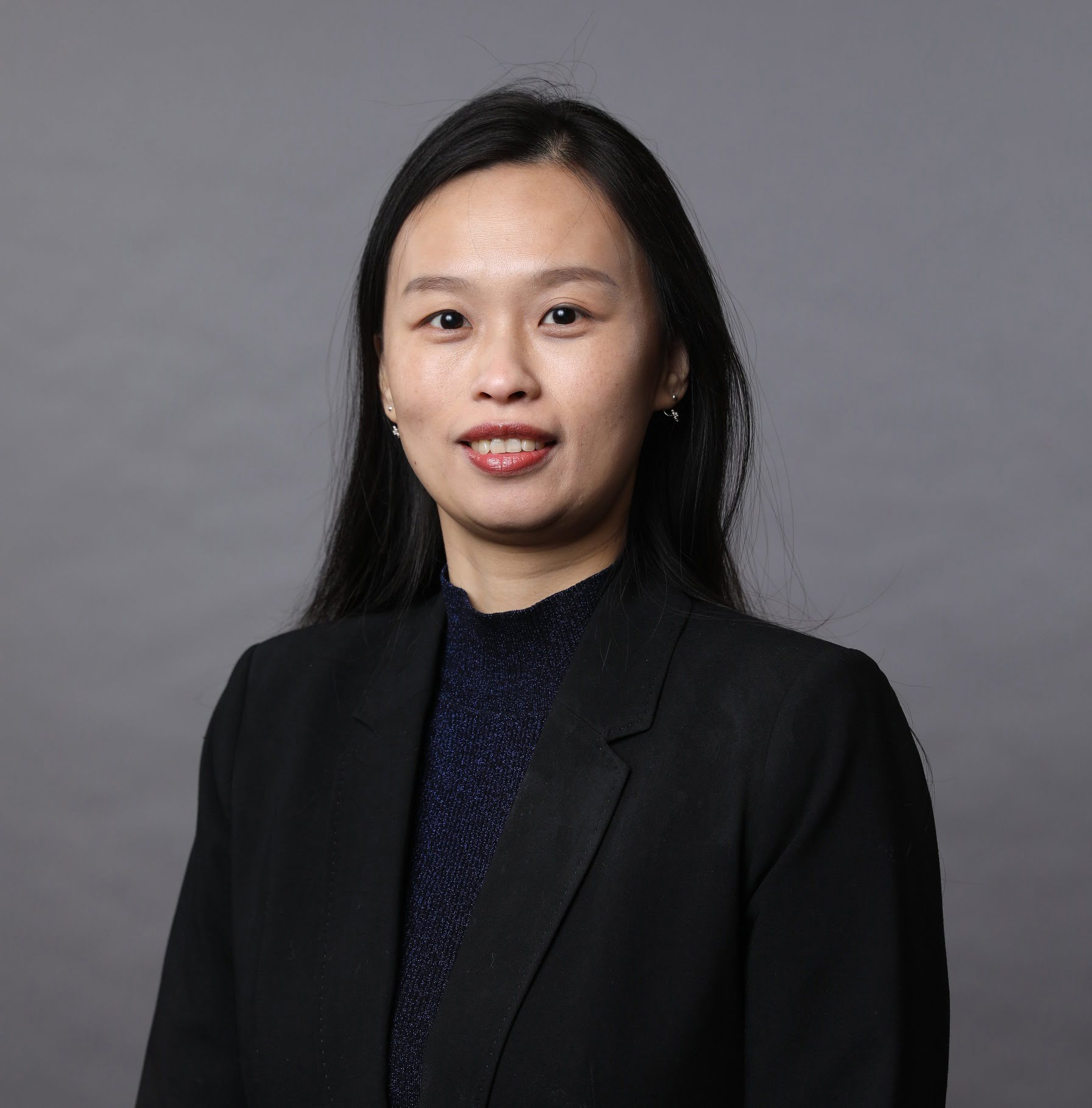
Dr. Zoe Huang is an Associate Professor at The College of New Jersey. She earned her Ph.D. from the University of North Carolina at Greensboro.
Her research focuses on social media analytics, information privacy, and text mining. Dr. Huang’s work has been published in several peer-reviewed journals, including Behaviour & Information Technology, International Journal of Production Economics, and the Journal of Information Technology Case and Application Research, among others. She has also actively contributed to major information systems conferences such as ICIS, PACIS, and AMCIS.
Robotics & IoT
This track focuses on emerging advances in intelligent robotics and autonomous systems, emphasizing new paradigms of perception, control, and learning in unstructured and dynamic environments.
It highlights technologies enabling robots to adapt, collaborate, and assist in real-world scenarios—from industrial automation to human-robot interaction, teleoperation, and social robotics. The track invites interdisciplinary perspectives spanning engineering, artificial intelligence, and cognitive sciences, aiming to redefine autonomy, adaptability, and cooperation between humans and intelligent machines.
Track Chair: Dr. Luis Alberto Muñoz Ubando

Dr. Luis Alberto Muñoz Ubando is a professor and researcher at Tecnológico de Monterrey, where he leads projects at the intersection of artificial intelligence, robotics, and intelligent systems.
Over his career, he has collaborated with international partners such as NVIDIA, ETH Zurich, and UT Austin, contributing to initiatives that bridge academic research with industrial applications. As an NVIDIA Deep Learning Institute Ambassador, he has trained hundreds of engineers and students across Latin America in applied AI and computer vision. His work spans robot perception, multi-agent systems, and autonomous navigation, with a strong emphasis on education and innovation. He has secured funding from the NSF, the European Commission, and Asian research programs, and has mentored graduate students who now participate in leading AI and robotics research groups worldwide.
Healthcare IT & Digital Health
The sessions invite research on clinical, technical, organizational, policy, and ethical dimensions of digital health, including interoperability, data security, regulatory compliance, and clinical decision support. Their goal is to foster interdisciplinary dialogue that advances patient outcomes, efficiency, and equitable access to care through responsible and ethical technology adoption.
Track Chair: Dr. Ariel Ernesto Cariaga-Martínez
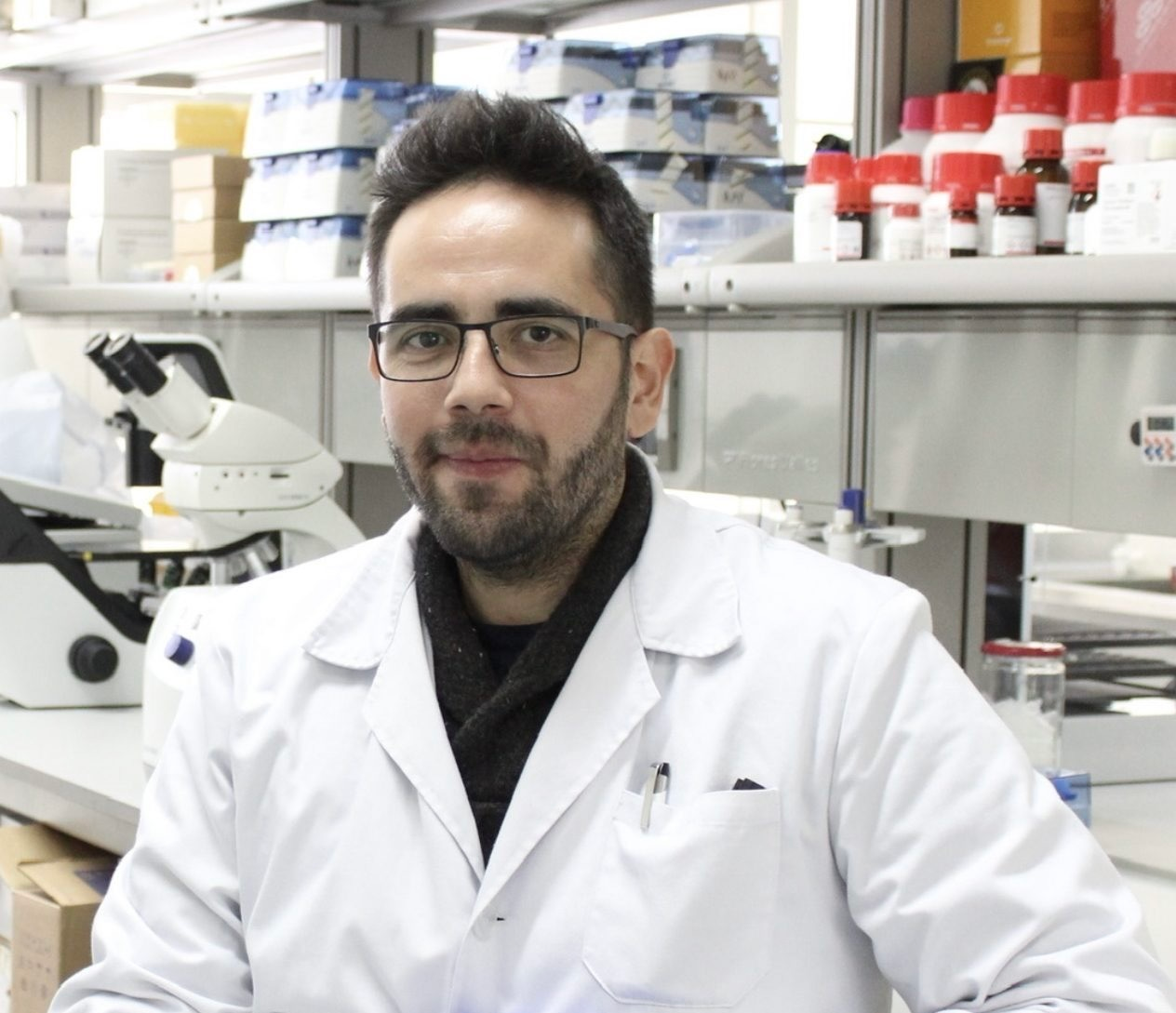
Dr. Ariel Ernesto Cariaga-Martínez is a biomedical researcher, data scientist, and co-founder of Healthy Minds, a digital health company based in Madrid, Spain, specializing in AI-driven psychosocial risk assessment and mental health analytics.
He holds a PhD in Biomedicine and several master’s degrees (in Data Science, Bioinformatics & Biostatistics, and Occupational Risk Prevention), and has lectured in Biomedical Methods, Neurobiology, Data Science and Ethics and Regulatory affairs at Spanish universities. His research and entrepreneurial work bridge neuroscience, predictive modeling, and digital health innovation, with a strong interest in ethical AI, data governance, and regulatory compliance in healthcare
environments. Dr. Cariaga’s leadership combines scientific rigor with an integrative vision of mental well-being, contributing to the advancement of responsible and human-centered health technologies.
IT Management
This track explores the strategic, operational, and organizational dimensions of monitoring and administering information technology in modern enterprises.
It fosters research and practice – based insights on topics such as IT governance, service management, enterprise architecture, IT-business alignment, sourcing strategies, and digital capability building. Submissions may address challenges in managing hybrid IT environments, multi-cloud environments, agile delivery models, and the efficient operation of information systems. We welcome contributions that examine IT management across sectors, geographies, and maturity levels, with an emphasis on measurable impact, forward-looking best practices, and helping people work better.
Track Chair: Dr. Tim Jacks

Dr. Jacks is a Full Professor in the Department of Computer Management & Information Systems at SIUE.
He has more than 18 years of industry experience in IT management and teaches courses in information security, cloud computing, business telecommunications, IT audit and controls, and IT systems architecture. He received his Ph.D. from the University of North Carolina at Greensboro. Dr. Jacks’ research interests include the impact of cultural differences in the workplace (occupational, national, and organizational) and strategic business alignment of IT. He has published in MIS Quarterly Executive, Information & Management, The Data Base for Advances in Information Systems, Information Technology and Management, Journal of Global Information Technology Management, Communications of the AIS, Business Process Management Journal, and Decision Support Systems. He is also a member of the core research team for the World IT Project. He currently serves as the Senior Editor for the Journal of Global information Technology Management.
Education, Training, and Skills for the Digital Era
This track explores how academic programs and corporate training strategies must evolve to meet the demands of the AI era.
As generative AI reshapes how we learn and work, educators and organizations face the challenge of equipping individuals not only with technical skills but also with the critical thinking and ethical frameworks needed to stay in charge of AI-driven processes. We invite proposals and case studies on EdTech innovations, upskilling/change management strategies, and curriculum design that foster human intelligence, creativity, and judgment in tandem with AI productivity. Submissions should address how to train people to use AI effectively while maintaining human oversight and decision-making.
Track Chair: Dr. Eliut D. Flores-Caraballo.

Dr. Eliut D. Flores Caraballo, PhD, is a tenured full professor at the University of Puerto Rico, Río Piedras, and a recognized leader in digital transformation, knowledge management, and IT consulting.
With over 35 years in academia and 30 in industry, Dr. Flores has served as a consultant, expert witness, and executive in both educational and business sectors. He is the founder and CEO of Digital KORU, delivering digital solutions across the Americas and Europe. Dr. Flores has published internationally, led major conferences, and sits on the boards of the World Capital Institute Europe and the Puerto Rico IT Cluster. He holds a PhD from the University of Texas at Austin and advanced degrees from Syracuse University and the University of Puerto Rico in Rio Piedras.
Generative AI & Foundation Models
This track examines the rapid advancement of generative AI systems and large foundation models that are reshaping creative, analytical, and operational capabilities across industries.
Generative models have demonstrated remarkable performance in text generation, image synthesis, and code development, yet their deployment raises critical questions about model interpretability, robustness, and alignment with human values. Organizations are grappling with integration challenges, including resource requirements, regulatory compliance, and responsible deployment frameworks. We invite research on foundation model architectures and training methodologies, fine-tuning and adaptation strategies, evaluation metrics for AI-generated outputs, and frameworks for responsible development and deployment. Contributions may address technical, ethical, or organizational aspects of generative AI adoption, using diverse methodological approaches.
Dr. Iván Mauricio Amaya Contreras

With over nine years of experience at the institution, he has served in roles as a postdoctoral researcher and lecturer, actively contributing to the development of intelligent systems. His research focuses on hyper – heuristics and combinatorial optimization, and he participates in strategic research groups. Dr. Amaya earned his doctorate in Engineering from Universidad Industrial de Santander, where he graduated with honors, and is a Mechatronics Engineer Magna Cum Laude from Universidad Autónoma de Bucaramanga. He has taught at various Colombian institutions and brings a global perspective to education and research in computing, establishing himself as a relevant voice in international technology forums.

Quantum Technologies
This track explores the transformative potential of quantum technologies across strategic and industrial domains.
Topics include quantum computing for optimization, simulation, and machine learning; quantum sensing for navigation, geophysics, and advanced medical imaging; and secure communication through quantum cryptography and post-quantum security. We also address the convergence of quantum computing with digital twins, enabling next-generation simulation and optimization capabilities. Finally, the track examines ecosystem development, talent strategies, and geopolitical considerations shaping the global quantum race.
Track Chair: Dr. Edgar Antonio Valdés Porras

Edgar Valdés is a complexity physicist and technology innovator with over 20 years of experience bridging social and exact sciences.
He leads initiatives in Artificial Intelligence, Quantum Computing, and Complex Systems as Chief Research Officer at Hadox Human Networks and founder of Neurolitiks and Polisplexity. Edgar has developed more than 35 advanced solutions, including AI systems and digital twins for urban and scientific optimization. He has collaborated with global institutions such as MIT, the Royal Academy of Engineering, and Germany’s Federal Ministry for Economic Affairs, and serves on the board of the Iberoamerican Nordic & Baltic Chamber of Commerce. An award-winning scientist and author, Edgar is driving cutting-edge projects to position Mexico and the Bajío region as leaders in computational and quantum technologies.
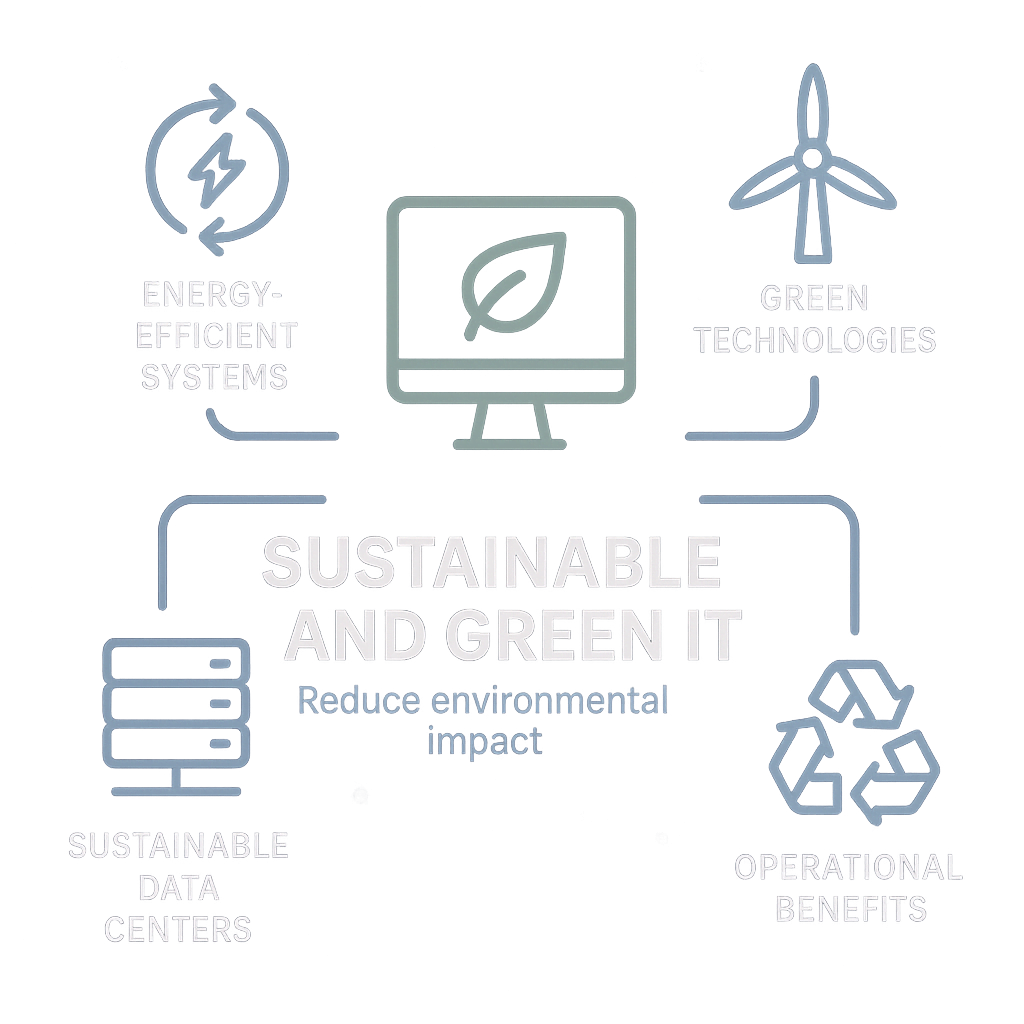
Sustainable & Green IT
The session covers key topics such as energy- efficient data centers, sustainable hardware lifecycle management, green software design principles, cloud sustainability, e-waste reduction strategies, and the role of digitalization in supporting circular The aim is to raise awareness of sustainable IT practices, highlight innovative solutions that minimize environmental impact, and encourage organizations to integrate green IT strategies into their operations to support long-term environmental responsibility.
Track Chair: Dr. Kerime Arzu Baloglu

Prof.Dr. Baloglu, completed her undergraduate at Technical University of Istanbul, her MBA in production management at University of Istanbul, and her PhD in Information Technology at University of Istanbul.
She has experience of 15 years in production and technology management. She worked for various plants including manufacturing, service and consulting companies as middle or top manager. For instance, Ernst and
Young Consulting Turkey is one of the companies, where she added important values within 5 years. Also she worked in SAP Business for a long time and managed various SAP/ERP projects in Turkey and also abroad. Now she is serving in ERP, CRM and e- business categories as senior consultant and lecturing at various universities. She gave lectures and courses in the Universities of Bilgi, Işık and Yeditepe. In addition to these she is sometimes giving conferences, seminars, consultancy and company training in her expertise areas. Dr. Baloglu has about 45 professional and academic papers, published in various technology magazines and books (17). And she currently works for Medipol University – Dept. of Business Informatics under title of Prof and lectures the some courses such as ebusiness, innovation management, IOT, Agro IT, ERP, eSCM.
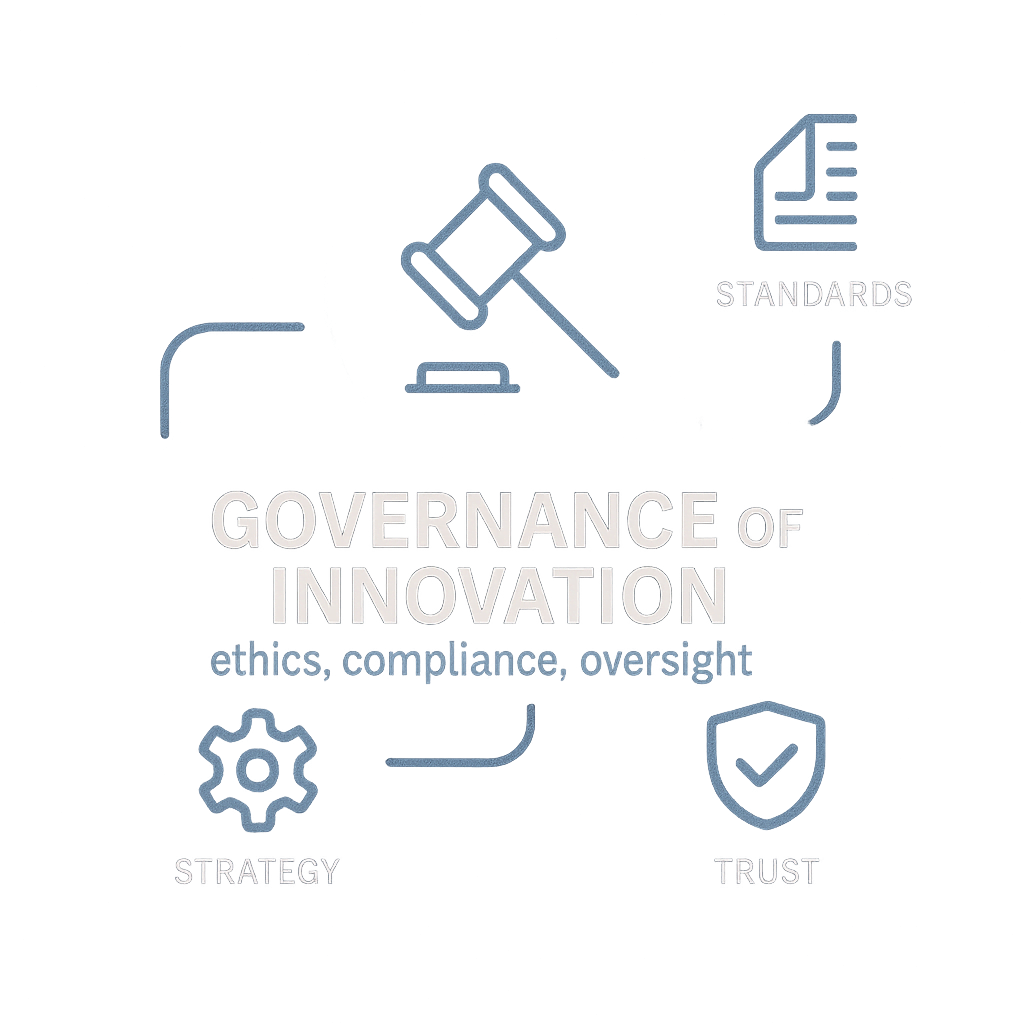
Governance of Innovation
AI, automation, quantum, and similar developments—without slowing down their practical use. Although the track covers all emerging technologies, AI is highlighted because it is already shaping core business processes and exposing gaps in current governance models.
The aim is simple: understand what type of oversight is needed, what risks must be controlled, and how to do it without creating unnecessary barriers that limit innovation. We are interested in approaches that are realistic and applicable, not theoretical frameworks disconnected from day-to-day work.
Track Chair: Julio Blanco

He has worked with different sectors to help them adopt new technologies in a controlled and practical way. His work includes projects in AI integration, operational resilience, supplier risk management, and enterprise automation, always with a focus on governance that supports actual business needs rather than creating unnecessary complexity. In recent years, he has concentrated on the challenges posed by exponential technologies, especially Artificial Intelligence, and how organizations can balance innovation with responsible oversight. His approach is based on practical methods, clear decision-making criteria, and governance models that are realistic to implement. Julio aims to help organizations innovate while keeping risks manageable and expectations aligned.
Generative AI, Organizations, and Society
Further, this technological disruption is a global phenomenon. Information systems researchers have a unique advantage and opportunity to study this transformation from technological (design science), economic, organizational, and global perspectives. In this track, we invite researchers to submit their ongoing or completed work addressing this sociotechnical transformation.
Track Chair: Dr. Vivek Kumar Singh

He received his Ph.D. from the University of South Florida, Tampa, USA, in 2019. His research focuses on the application of data mining techniques in security of cloud computing, healthcare analytics, and online learning. He has published articles in Decision Support Systems, California Management Review Insights, e-Service journal, Computers in Human Behavior, Journal of the American Medical Informatics Association, Psychology and Marketing, and Psychological Studies, and in premier Information Systems conference outlets including ICIS, AMCIS, and HICSS.
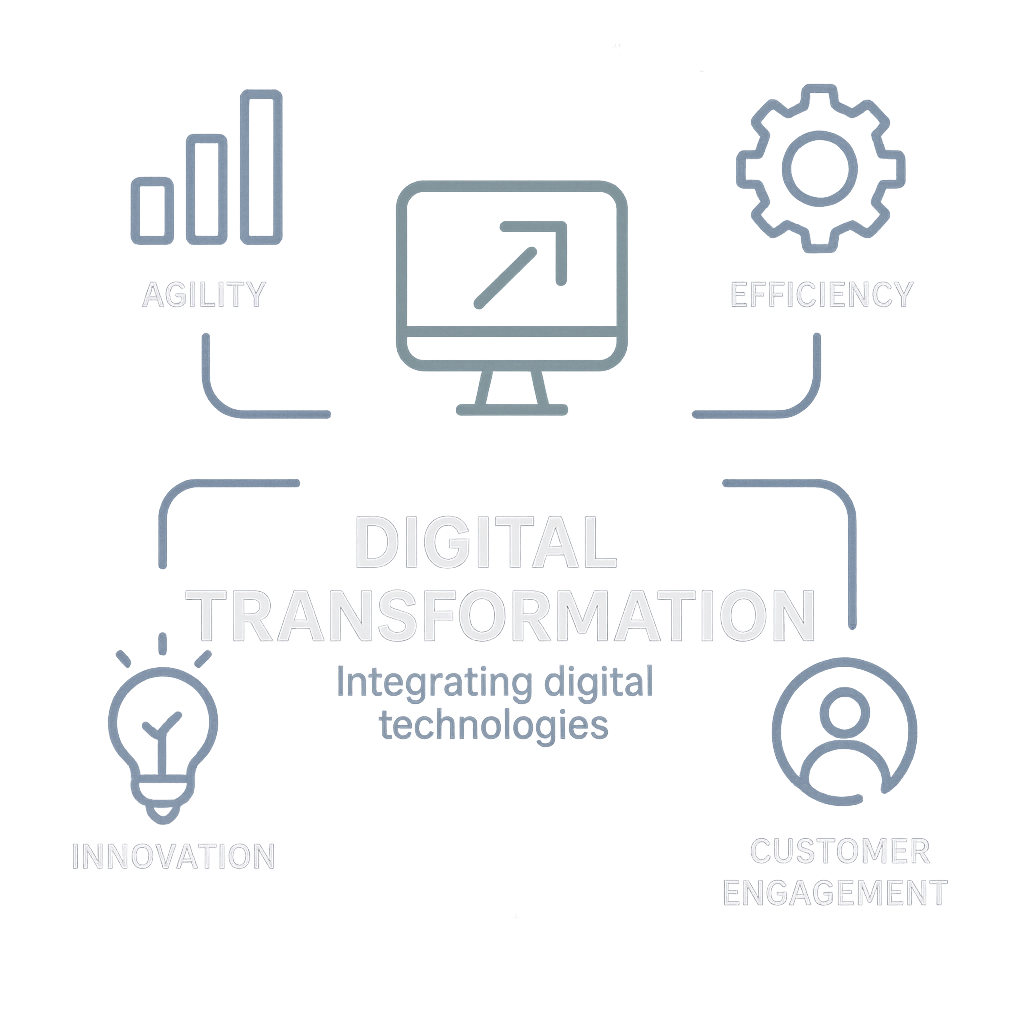
Digital Transformation in Academia
It explores emerging technologies, AI–driven tools and processes, and data–enabled practices that enhance learning, research productivity, and agility for students, faculty, and organizations. A central focus is advancing the researcher experience through digital platforms, collaborative ecosystems, and interdisciplinary models that accelerate scientific impact. The track also integrates STEM wellbeing, emphasizing human–centered and neuroscience– informed approaches that foster engagement, psychological safety, and sustainable performance. Overall, it provides a strategic lens for building future–ready academic/industry ecosystems aligned with technological and societal change.
Track Chair: Dr. Teresa de Jesús Lucio Nieto

As an academic and industry leader, Teresa drives research–informed innovation focused on transforming leadership mindsets and behaviors. Through her consulting practice, she has guided more than 200 organizational projects centered on IT Service Management, Customer Experience, and digital transformation, helping leaders adopt new ways of thinking and working. She also collaborates on scholarly initiatives that connect STEM disciplines with behavioral change and organizational agility.
Internationally, she is a sought–after speaker on Neuroscience for leadership, customer experience, service management and workplace well–being, having trained over 10,000 professionals across the Americas and Europe. Teresa holds a PhD in Information Science and Technology and multiple global certifications, championing a future where STEM talent leads with curiosity, empathy, and measurable excellence.
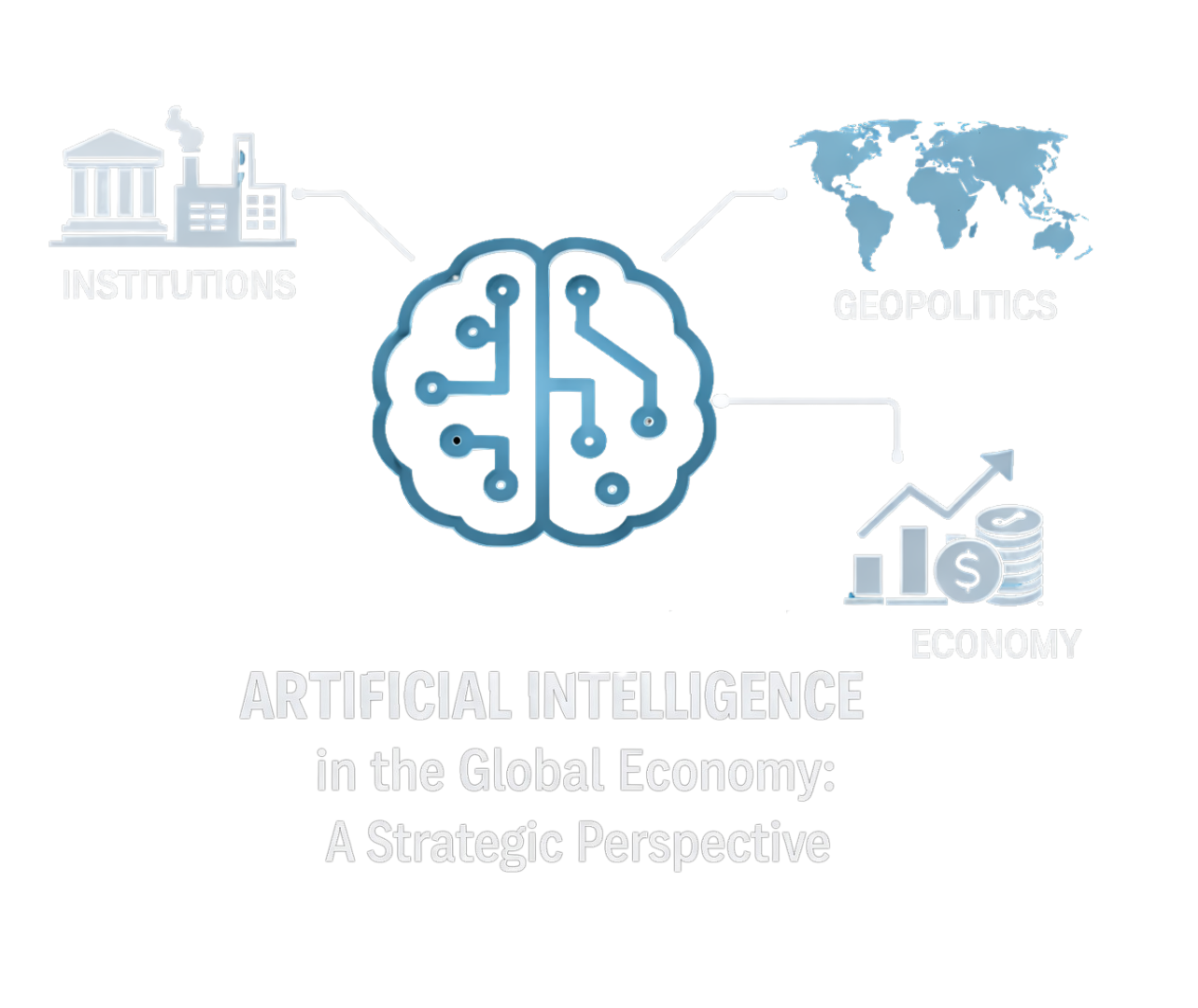
Artificial Intelligence in the Global Economy: A Strategic Perspective
Yet for entrepreneurial firms, disruption can also create space for innovation and opportunity. In its important new report, U.S. Economic Security: Winning the Race for Tomorrow’s Technologies, the Council on Foreign Relations Task Force on Economic Security finds that strategic competition over the world’s next generation of foundational technologies is underway, and U.S. advantages in artificial intelligence, quantum, and biotechnology are increasingly contested. The high-level, bipartisan Task Force warns that economic security risks, especially overconcentration of critical supply chains in China and underinvestment in strategically important areas at home, threaten American leadership in these three crucial sectors of the future. The Task Force Report provides a comprehensive view of vulnerabilities that the United States (and other countries by implication) must address and offer practical recommendations for mobilizing the resources needed to prevail.
Track Chairs:
Dr. Mahesh S. Raisinghani / Dr. Atieno A N Amadi


Conference for his service to the Youth and Government by the Model United Nations Committee. Dr. Raisinghani serves as the Editor in Chief of the International Journal of Web-based Learning and Teaching Technologies, has published over a hundred manuscripts in peer-reviewed journals, conferences, and book series; edited eight books; and consulted for a variety of public and private organizations.
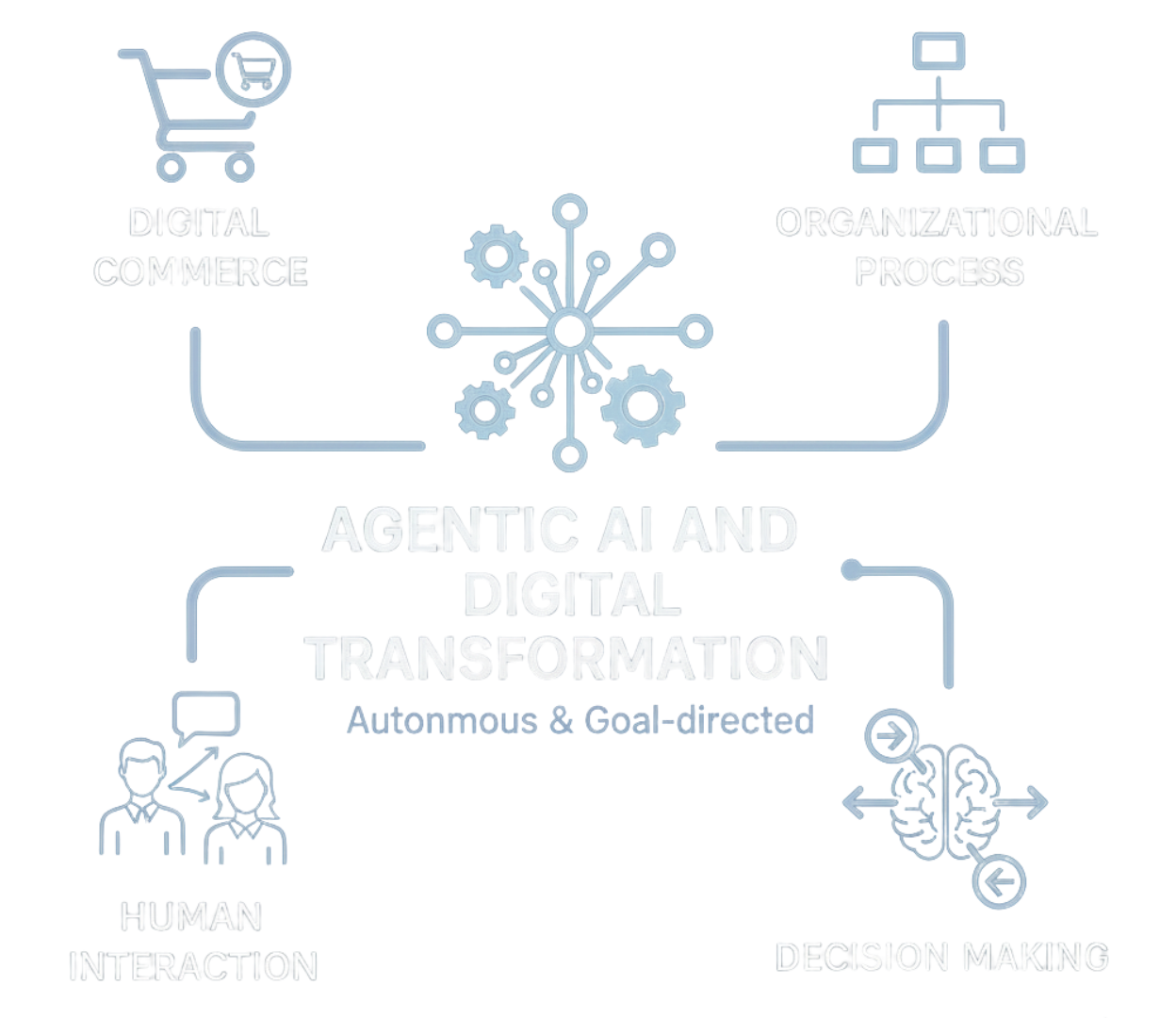
Agentic AI and Digital Transformation in Organizations
Track Chair: Dr. Ali Tarhini

He holds a Master degree in E-commerce from University of Essex, and a PhD in Information Systems from Brunel University London, UK. His research interests include Consumer Behavior, social media, AI-enabled customer service, cutting-edge technology. He has published in international journals including Computers in Human Behavior, Information Technology & People, Journal of Enterprise Information Management, Information Systems Frontiers.
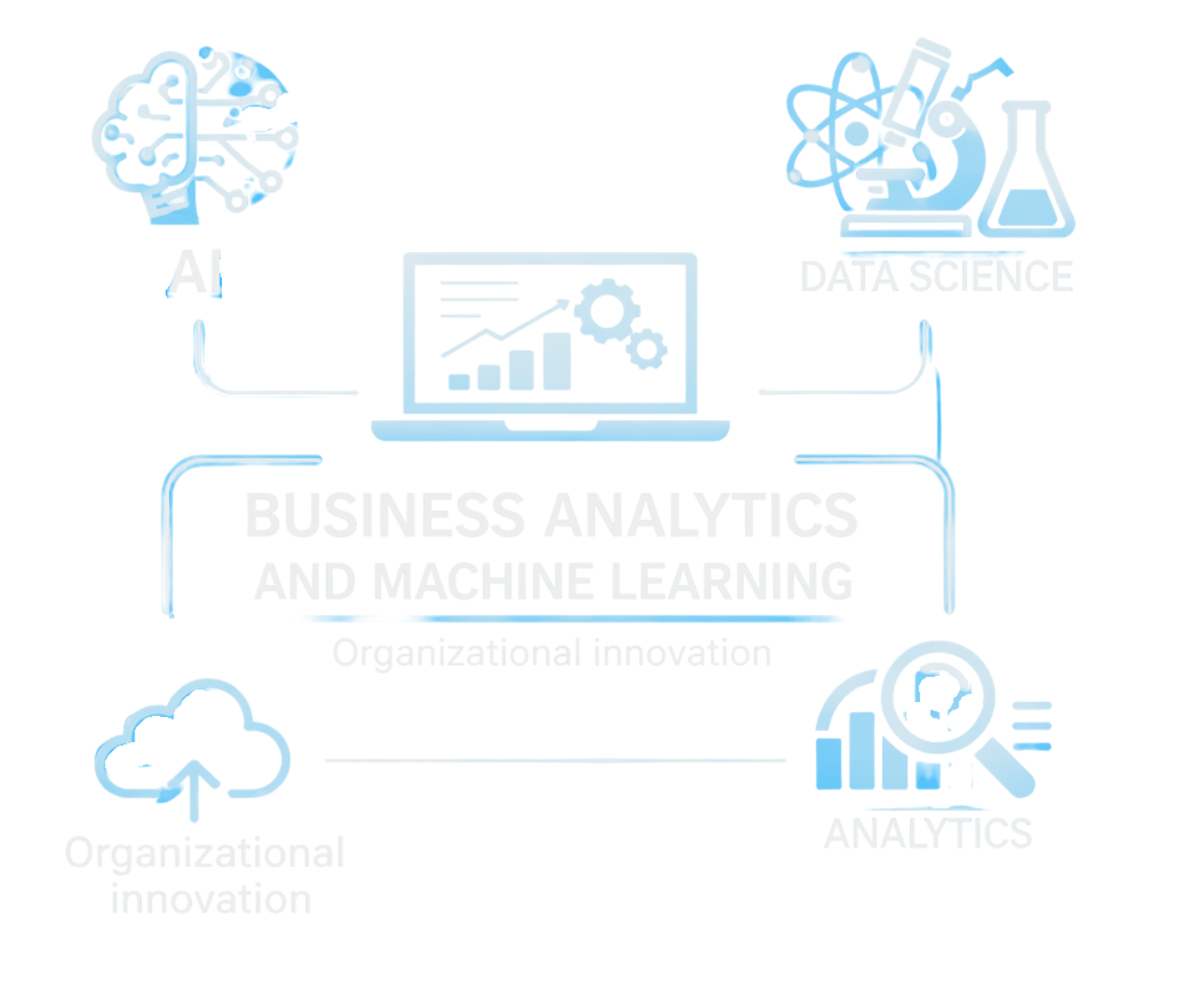
Business Analytics and Machine Learning
It explores both behavioral and technical dimensions, focusing on how the adoption and diffusion of analytics impact performance across industries. It will address critical issues such as privacy, security, and bias, while showcasing new analytical methods and tools that solve real-world business problems. The scope includes Data Science and Business Analytics tools, applied machine learning, and multidimensional approaches to complex challenges. Contributions are encouraged that highlight practical applications, ethical considerations, and strategies for integrating analytics into decision-making processes. By bridging technical rigor with organizational insights, this track aims to advance responsible, impactful, and future-ready analytics practices and models.
Track Chair: Dr. Faruk Arslan

He received his Ph.D. in International Business with a specialization in IS from The University of Texas at El Paso. He has 17 years of industry experience in the U.S.A., Türkiye, Mexico, and various European countries. He is the co-founder of Ethos Decision Insights, an analytics consulting company. His primary research interests include global diversity of IS, the interaction of IS and supply chains, information privacy, adoption and diffusion of IS and technologies, and data-informed decision-making. He served as a Co-PI for three research grants totaling $5M and published in various peer-reviewed journals and conferences.
Teaching interests include business analytics, databases, social analytics, text mining, applied machine learning, system analysis and design, IS project management, global information systems, and business applications development
Data, Analytics, & Cloud
This track invites research and applications that explore advanced analytics, big data architectures, and cloud-native solutions for real-time
processing, storage, and deployment. Topics include predictive and prescriptive analytics, distributed data pipelines, cloud-based AI/ML platforms, and integration of edge and IoT data streams. Emphasis is placed on frameworks that ensure security, compliance, and interoperability while leveraging elasticity and cost-efficiency in cloud environments.
Beyond technical foundations, this track highlights how organizations can harness analytics and cloud ecosystems to unlock actionable insights and accelerate digital transformation. Contributions may address emerging paradigms such as serverless computing, federated learning, multi-cloud orchestration, and data governance strategies for large-scale AI deployments. Case studies demonstrating measurable impact in sectors like education, healthcare, finance, and manufacturing are particularly encouraged. By bridging theory and practice, this track aims to showcase how data and cloud technologies converge to power next-generation intelligent systems and resilient infrastructures.
Dr. Miguel González Mendoza